

Tax collection is the lifeblood of any municipal government, ensuring that essential services such as infrastructure, public safety, and waste management are well-funded. However, manual or outdated tax collection systems often lead to inefficiencies, errors, and revenue losses. This is where the Property Tax Management System (PTMS) plays a pivotal role. By digitizing and streamlining tax collection, PTMS enhances municipal revenue, promotes compliance, and ensures a seamless experience for both taxpayers and local authorities.
Understanding the Property Tax Management System (PTMS)
At its core, the Property Tax Management System (PTMS) is a digital solution designed to automate the collection, assessment, and management of property taxes. Unlike traditional systems that rely heavily on manual data entry and paper-based processes, PTMS centralizes property tax records, integrates GIS mapping for accurate assessments, and enables real-time tracking of tax payments.
A well-implemented PTMS software ensures that municipalities can track properties, calculate taxes accurately, and notify taxpayers in a timely manner. Additionally, this system minimizes tax evasion by integrating land records with automated tax collection mechanisms.
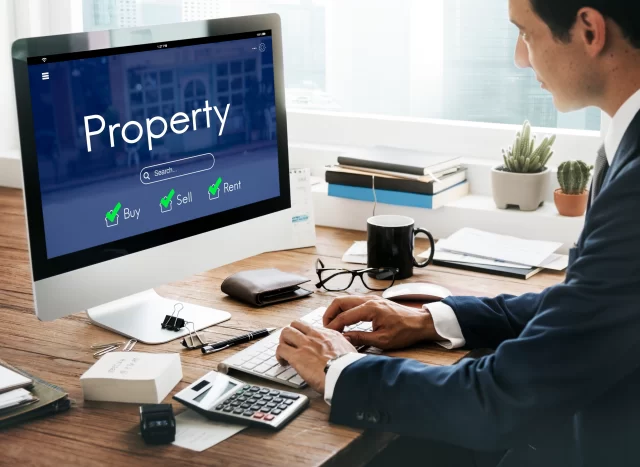
How PTMS Property Tax Software Boosts Municipal Revenue
- Enhanced Accuracy in Tax Assessments
One of the most common challenges municipalities face is property undervaluation or misclassification, which can result in significant revenue losses. With PTMS tax software, tax assessments are based on GIS-integrated property valuations, ensuring fairness and accuracy in tax calculations. This eliminates human errors and provides municipalities with a robust tax base for increased revenue generation.
- Real-Time Monitoring and Reporting
Municipalities need up-to-date data on tax collections, delinquencies, and exemptions to make informed financial decisions. The PTMS property tax system offers real-time monitoring and reporting features, allowing government officials to track revenue trends and address tax delinquency cases swiftly.
- Improved Compliance Through Automated Notifications
One of the primary reasons for tax delinquency is the lack of timely reminders and follow-ups. With PTMS software, taxpayers receive automated notifications via email, SMS, and online portals, reminding them of due dates, late fees, and payment options. This significantly improves tax compliance rates and reduces revenue losses due to non-payment.
- Efficient Taxpayer Portal for Easy Payments
Gone are the days of long queues and manual paperwork for tax payments. The PTMS property tax management system provides an online payment gateway, allowing taxpayers to make payments seamlessly from anywhere. This not only improves convenience but also reduces administrative costs for municipalities.
- Integration with Other Government Systems
A modern PTMS property tax solution integrates with other municipal services, such as zoning and building permits, to ensure consistency in tax assessments. By cross-referencing property records, municipalities can easily detect anomalies and enforce proper tax collection measures.
Challenges in Implementing PTMS and How to Overcome Them
- Resistance to Change
Switching from traditional tax collection methods to a digital system often faces resistance from municipal staff and taxpayers. To ensure a smooth transition, it is crucial to provide training sessions, user-friendly interfaces, and a gradual implementation plan.
- Initial Setup Costs
While implementing PTMS software requires an initial investment, the long-term benefits far outweigh the costs. Municipalities can partner with software development firms like Coretegra Technologies, which specialize in cost-effective and customized PTMS solutions tailored to specific local government needs.
- Data Security and Privacy Concerns
Handling sensitive taxpayer data comes with security risks. A well-designed PTMS includes encryption, multi-factor authentication, and regular security audits to prevent data breaches. Choosing a trusted software provider ensures compliance with government data protection regulations.
Why Choose Coretegra Technologies for PTMS Implementation?
When it comes to PTMS software development, municipalities need a reliable technology partner. We offer custom-built, scalable, and secure PTMS solutions that cater to the unique needs of local governments. With expertise in GIS mapping, real-time reporting, and secure payment integration, We ensures a seamless transition from manual tax management to a fully digital system.
Future Trends in Property Tax Management
The evolution of property tax management systems is driven by advancements in AI, blockchain, and big data analytics. Future PTMS solutions will feature:
- AI-powered property valuation models for hyper-accurate tax assessments
- Blockchain-based property records to eliminate fraud and enhance transparency
- Big data analytics to predict tax revenue trends and optimize municipal budgets
Final Thoughts
The PTMS property tax management system is not just a tool for digitizing tax collection; it is a game-changer for municipalities aiming to enhance revenue, reduce tax evasion, and streamline taxpayer services. By investing in modern PTMS software, local governments can boost financial stability while offering convenient, transparent, and efficient tax management services to their communities.
For municipalities looking to implement a custom-built PTMS solution, we provide expert software development services tailored to local government needs.